
Data Sales Mean usually mean selling collected information to others. This can include email lists, customer demographics.
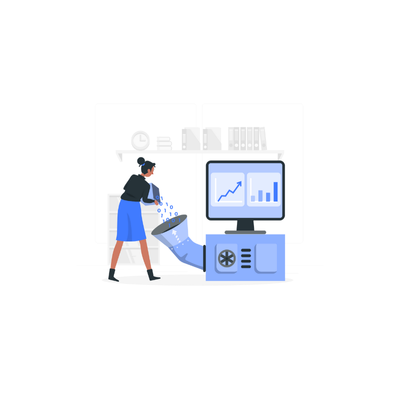

In today’s world, the term data sales is becoming more common. But many people are still unsure what it actually means. Simply put, data sale refer to the buying and selling of information. This information can be about customers, markets, products, or even online behavior. Businesses use this data to make smarter decisions, reach more customers, and grow faster.
However, it’s more than just numbers. Data sale are about insights that help businesses understand trends, preferences, and opportunities. Let’s break it down further.
What Does Data Sales Mean in Business?
When businesses talk about data sale , they usually mean selling collected information to others. This can include email lists, customer demographics, buying habits, or industry trends. Companies often buy this data to improve marketing strategies, increase sales, or plan product launches.
For example, a retailer may sell anonymous data about customer preferences to a marketing agency. The agency then uses this to create better advertising campaigns.
How Data Sales Help Companies Grow
Selling or buying data is not just about making money. It’s about making decisions easier and faster. Here’s how data sale can help:
Better Marketing: Companies know who their audience is and what they like.
Predicting Trends: Businesses can see what products may become popular.
Improved Customer Experience: Companies can offer products or services that customers want.
Efficient Operations: Data helps identify areas of improvement in production or service.
Thus, data sale is not just a trend; it’s a tool for growth.
Different Types of Data Sold
Not all data is the same. Companies deal with different types of information in data sale :
Customer Data – Name, email, age, location, buying patterns.
Market Data – Trends, industry insights, competitor analysis.
Transactional Data – Records of purchases, payments, or subscriptions.
Behavioral Data – Online actions, website clicks, app usage.
Each type has its own value. The more detailed and accurate the data, the higher its potential impact.
Why Businesses Invest in Data Sales
Buying or selling data may seem unusual, but it has real advantages:
Targeted Marketing: Ads reach the right people at the right time.
Reduced Costs: Companies spend less on trial and error.
Faster Decisions: Insights from data guide strategies quickly.
Competitive Advantage: Access to exclusive data can give a market edge.
In short, data sale is about turning information into action.
How Data Sales Works in Simple Terms
Understanding the process is easy. Think of data sale like a marketplace for information.
Collection – Companies gather information from various sources.
Processing – The data is cleaned and organized.
Selling – Businesses offer the data to buyers who need it.
Usage – Buyers use this data to make decisions or improve services.
This cycle makes data sale a continuous, evolving business process.
Data Sales vs Traditional Marketing Insights
Unlike traditional marketing, which relies on surveys or guesswork, data sale provides real, measurable information. Companies can see what customers are doing, rather than guessing.
For example, instead of assuming what products might sell, companies analyze actual sale data from other markets. This approach reduces mistakes and improves results.
Common Misconceptions About Data Sales
Many people think data sale is risky or unethical. While privacy is important, ethical data sale use anonymized or permission-based information. Businesses follow rules to ensure data is safe and legal.
Another misconception is that only large companies benefit. In reality, even small businesses can use purchased data to improve marketing, sales, and operations.
How to Use Data Sales Effectively
To make the most out of data sale , companies should:
Choose Relevant Data – Focus on data that aligns with your goals.
Analyze Properly – Use analytics tools to interpret insights.
Maintain Privacy – Respect customer privacy and follow laws.
Integrate With Strategy – Apply insights in marketing, sales, and operations.
Proper usage ensures data sale benefits are fully realized.
Future of Data Sales
The future of data sale looks bright. With AI and machine learning, businesses can gain deeper insights from purchased data. Real-time analytics will make data even more valuable.
Moreover, ethical data usage will become a major factor. Companies that balance privacy with insights will lead the market.
Conclusion
In simple terms, data sale means buying and selling information to make smarter business decisions. It helps companies understand customers, predict trends, and grow faster. Different types of data, such as customer, market, or behavioral, provide unique benefits.
By using data sale ethically and strategically, businesses can gain a competitive edge. In today’s data-driven world, understanding what data sale means is no longer optional—it’s essential.
Our other related articles :
1.Who uses data sale marketplaces in India ?
2.Who collects revenue from data sale channels?
3.What counts as data sales under law ?
4. What are common data sales business models?
5.Why do companies make money from data sales ?