
A GST database reports is a detailed document that provides a snapshot of all the Goods and Services Tax (GST) data for a particular period.
In today’s digital world, data is a game-changer for businesses. One such valuable source of data comes from GST database reports. These reports offer a deep insight into a business’s financial activities, sales, purchases, and tax obligations. Understanding how to analyze and use GST database reports can significantly improve your decision-making and tax compliance.
But what exactly are GST database reports, and how can they help your business thrive? Let’s explore in detail how these reports work, their importance, and how to effectively use them.
What Are GST Database Reports?
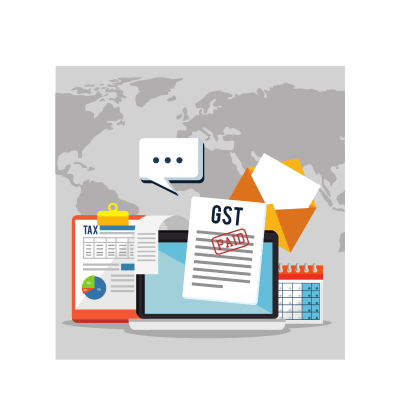
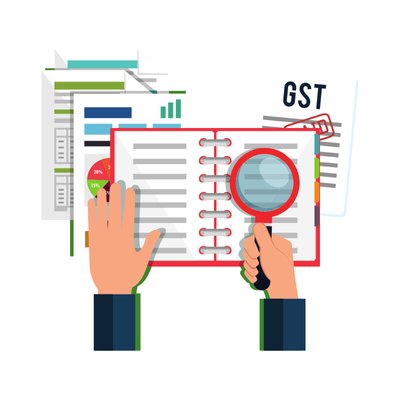
A GST database report is a detailed document that provides a snapshot of all the Goods and Services Tax (GST) data for a particular period. It consolidates information on sales, purchases, tax liabilities, and tax credits. These reports are generated based on the GST returns that businesses file with the government.
By analyzing it, businesses can track their tax obligations, check for discrepancies, and make data-driven decisions to streamline their operations.
The Role of GST Database Reports in Business Operations
1. Ensuring Tax Compliance
One of the primary benefits of GST database reports is ensuring tax compliance. These reports help businesses confirm that they’ve paid the correct amount of tax and that their GST filings are accurate. They can identify whether the tax paid aligns with sales, and help prevent overpayment or underpayment.
Businesses can use it to ensure they avoid penalties or fines for incorrect GST filings. By reviewing these reports regularly, businesses can stay compliant with government regulations, thus ensuring smooth operations without any disruptions.
2. Tracking Financial Health
Your database reports also offer insights into your business’s financial health. The reports provide a clear view of all your sales and purchase transactions, which are crucial for understanding your cash flow. By keeping track of these, businesses can identify patterns, manage their finances better, and forecast future revenues and expenses more accurately.
For example, if your GST report shows a consistent decline in sales, it could indicate underlying issues that need to be addressed. On the other hand, if your tax credits or refunds are increasing, it might suggest that your purchases are greater than your sales, which could impact your liquidity.
3. Identifying Business Trends
Analyzing it can help businesses spot emerging trends. By looking at past GST reports, you can identify which products or services are selling well and which are not. This data is valuable when planning future marketing campaigns, stock management, or when deciding which products to push more aggressively.
For example, if you notice that a particular product category has increased sales during a certain period, you can plan ahead and ensure sufficient inventory for future demand.
How it Improve Decision-Making
1. Optimizing Cash Flow
Cash flow is a key concern for any business, and it can provide invaluable help here. By reviewing these reports, businesses can accurately predict how much tax they will need to pay and when. This allows businesses to plan ahead and allocate enough funds for taxes, preventing cash flow problems later.
Moreover, GST reports help businesses track tax credits from purchases. If a business has accumulated tax credits, it could use them to offset future tax liabilities, providing relief to its cash flow.
2. Spotting Inefficiencies
Another great advantage of GST database reports is that they can help identify inefficiencies in your business. For example, if your GST report shows a significant gap between purchases and sales, it may indicate poor inventory management, overstocking, or underpricing.
By analyzing your GST data, you can take corrective action, such as improving your procurement strategy or revising your pricing structure to improve profitability.
3. Streamlining Financial Planning
Financial planning is much easier when businesses can rely on GST database reports. These reports help businesses understand their tax liabilities, sales patterns, and expenses, making it easier to plan budgets, forecast profits, and allocate resources effectively.
By analyzing the patterns within these reports, businesses can create more accurate financial forecasts and make smarter investment decisions.
How to Use it Effectively
To maximize the benefits of GST database reports, businesses should follow some best practices to extract the most value from them.
1. Regularly Review Your GST Reports
The key to leveraging GST database reports is consistency. Businesses should make it a habit to review their reports on a monthly or quarterly basis. By doing so, you can spot any errors, track tax liabilities, and ensure compliance well ahead of deadlines.
The earlier you identify discrepancies in GST database reports, the easier it will be to correct them. This reduces the risk of penalties and keeps your business on the right track.
2. Automate Data Collection and Reporting
Manually tracking and compiling GST data can be time-consuming and prone to errors. To save time and improve accuracy, businesses should consider automating their data collection and reporting processes. With the right tools, GST database reports can be generated automatically, giving businesses a clearer, real-time view of their financial status.
By using automated tools, you ensure that your reports are always accurate and up to date. This also minimizes human errors and allows you to make faster, more informed decisions.
3. Combine GST Data with Other Business Data
To unlock the full potential of GST database reports, businesses should combine them with other internal data, such as customer purchase history, sales trends, and inventory management data. By integrating these sources, you can get a more holistic view of your business operations.
For instance, integrating GST reports with your customer relationship management (CRM) system can help you understand customer preferences and buying patterns, enabling you to tailor marketing campaigns or optimize your product offerings.
Key Takeaways from GST Database Reports
These are not just about taxes – they are a valuable tool for improving your business’s financial and operational strategies. From ensuring compliance to optimizing cash flow, these reports provide insights that can help streamline your processes and boost your decision-making.
Final Thoughts
When used correctly, GST database reports are a powerful resource that can help any business stay on top of its finances, taxes, and operations. Regularly reviewing and analyzing these reports will allow you to make better decisions, identify inefficiencies, and ultimately achieve growth. Whether you’re a small business or a large enterprise, using GST reports effectively can give you a competitive edge in today’s data-driven world.
Make sure to integrate it into your business’s strategy today, and start reaping the benefits of data-driven decision-making!