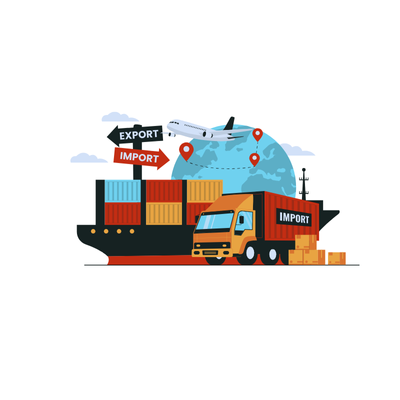
An export import port database is a collection of information that covers shipments through various ports.
In the fast-paced world of international trade, information is everything. Companies need accurate and updated data to make informed decisions. An Export Import Port Database offers critical insights about shipments, ports, and trading patterns. With this data, businesses can track imports and exports, plan logistics, and explore new opportunities worldwide.
Understanding the Export Import Port Database
An export import port databases is a collection of information that covers shipments through various ports. It includes details such as port of loading, port of discharge, shipment date, product type, and trading partners.
This database helps businesses gain clarity on:
Trade volumes at specific ports.
Popular products being exported or imported.
Major trading countries and partners.
By analyzing this data, companies can plan supply chains efficiently and minimize risks.
How Export Import Port Databases Benefits Businesses
The export import port databases is a valuable tool for businesses of all sizes. It provides insights that help in strategic planning, market research, and competitive analysis.
Some key benefits include:
Market Trend Analysis – Understand which products are moving quickly through ports.
Competitor Tracking – Identify who is trading similar products.
Supply Chain Optimization – Plan shipments based on port activity.
International Expansion – Discover potential new markets for products.
With these benefits, businesses can make smarter decisions and increase profitability.
Real-World Applications of Export Import Port Databases
Businesses across industries use this data in many ways:
Planning logistics and transportation routes efficiently.
Forecasting demand for products in specific regions.
Identifying trading patterns and peak seasons.
Connecting with potential buyers and suppliers worldwide.
An export import port databases transforms raw data into actionable insights for decision-makers.
Tips for Using Export Import Port Databases Effectively
Accessing the database is only the first step. To get the most value:
Analyze trends regularly to spot emerging markets.
Compare data across multiple ports for better insights.
Integrate port data into overall business strategy.
Use the information to plan shipments and reduce delays.
These steps help businesses turn data into growth opportunities.
Challenges and Solutions in Port Data Analysis
While the exports import port database is powerful, there are challenges. Some common issues include:
Data Overload – Large datasets can be overwhelming.
Outdated Information – Decisions based on old data can fail.
Lack of Context – Raw numbers without analysis may not help.
The solution lies in using updated databases and focusing on actionable insights.
Future Trends in Export Import Port Databases Usage
Global trade is evolving rapidly. As a result, the use of an export import port databases is becoming increasingly important. Businesses are now looking for:
Real-time port updates for better decision-making.
Advanced analytics for predictive trade trends.
Integration with supply chain management systems.
These trends show that port data will play a critical role in future trade strategies.
Conclusion
In the competitive landscape of international trade, an export import port databases is a crucial tool. It helps businesses track shipments, understand market trends, and optimize supply chains. Companies that leverage port data effectively can reduce risks, explore new markets, and gain a competitive edge.
Whether for logistics planning, market research, or strategic expansion, an export import port databases is the key to smarter business decisions.
Our Other Related Articles