
The GST number database India holds a large amount of information. This data can be used in many ways like you can verify businesses before you work with them and analyze market trends based on GST registrations.
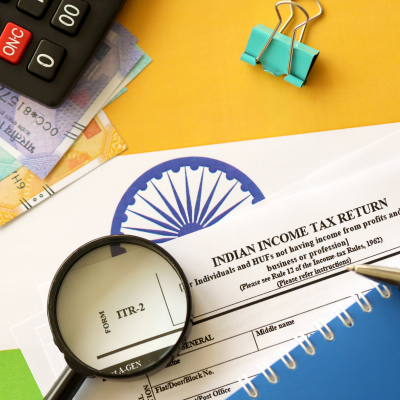
The world of business is changing fast. Every day, more people are looking for smart ways to grow. One such way is using a GST number database in India. It might sound complex, but don’t worry! This blog breaks it all down in a simple, fun, and useful way.
Whether you’re a startup or a big company, knowing how to use GST data can open many doors. Let’s dive in and see how this powerful tool can help your business.
What Is a Gst number database india, Really?
To begin with, GST stands for Goods and Services Tax. When any business in India gets registered under GST, it receives a unique code. This code is called a GSTIN or GST number.
But that’s not all. This number isn’t just a code—it’s a key. It tells you a lot about the business. From the type of goods they deal with, to their registration date, you can find helpful details in just a few clicks.
Why a GST Number Database in India Is So Useful
Now you might wonder—why does this database matter?
The answer is simple. The GST numbers database India holds a large amount of information. This data can be used in many ways:
You can verify businesses before you work with them.
You can analyze market trends based on GST registrations.
You can find new leads or suppliers in your industry.
You can also track genuine GST compliance across regions.
Because of this, the GST database becomes a goldmine for anyone in the B2B space.
Think Bigger Than Just Names and Numbers
Although the GST database has names and numbers, there’s more beneath the surface.
For example, this data often includes:
Business names
Registration types (Regular or Composition)
State and city locations
Business nature (like manufacturer, wholesaler, or retailer)
All of this adds up. It gives you a full picture, not just a name on a list.
Not Just for Corporates—Startups and Freelancers Can Benefit Too
Many people think that only big companies can use this kind of data. That’s not true!
Even small startups or solo freelancers can use the GST numbers database in India to grow faster. Here’s how:
A freelance graphic designer can find local businesses that might need branding.
A startup selling eco-friendly packaging can connect with manufacturers.
A digital agency can pitch services to GST-registered traders.
The possibilities? Endless.
How Does One Use Gst number database india Without Getting Lost?
It’s easier than you think.
You can filter data by location, business type, or sector. If you’re focused on Mumbai or Bengaluru, you can check only those cities. Want wholesalers or distributors? You can filter for that too.
This way, you’re not lost in a sea of numbers—you’re sailing smoothly with a smart plan.
Going Digital Makes Things Quicker
Gone are the days when you had to knock on doors or cold call everyone. Now, with access to the GST number database, you can make smarter decisions.
Here’s what businesses are doing today:
They’re using GST data to build email and SMS campaigns.
They’re checking the compliance history of vendors.
They’re planning B2B meetings based on verified details.
It’s all about speed and accuracy. And with GST data, you get both.
Is It Legal to Use This Data?
Yes, it is—as long as you use it responsibly.
The GST database is part of public records shared by the government. However, this does not mean one can spam or misuse the data. Respect and ethics should always come first.
If used properly, the GST number database India is a game-changer. But if used wrongly, it can bring problems too. So, always stay on the right side.
From Leads to Loyalty—The Real Power of GST Numbers
Think of GST data like a bridge. It connects businesses that are looking for each other.
For instance:
A raw material supplier can find new manufacturers.
A logistics company can locate growing e-commerce sellers.
A tax consultant can identify new GST registrations in their region.
It’s not just about making a list—it’s about building real connections.
Avoiding Common Mistakes with Business Data
Sometimes, businesses collect data but don’t use it well. Here are a few things to avoid:
Don’t focus on just one city when you can explore across India.
Don’t contact people without a clear offer or plan.
Don’t ignore small businesses—they often have high potential.
With the GST number database India, even small steps can lead to big wins.
Using GST Number Information for B2B Growth
B2B marketers are loving the way GST data helps them. Why? Because it brings accuracy.
Imagine sending your ad to 1,000 random businesses. Now imagine sending it to 1,000 verified GST holders who match your industry. Which one sounds smarter?
That’s the difference. And that’s the value this database brings.
Gst number database india Not Just About Sales—It’s About Trust
When you work with verified GST-registered companies, you create trust. You show your clients that you’re serious about compliance and transparency.
This kind of approach:
Builds better partnerships
Reduces risk
Improves your brand image
And it all starts with that one number—the GSTIN.
Ready to Explore the GST Numbers Database India?
By now, you’ve probably realized that the GST number database in India is more than just information. It’s a tool. A smart one.
It helps you grow your business, save time, reduce risks, and connect with the right people.
Whether you’re just starting out or looking to scale up, this database can point you in the right direction. All it takes is the right approach and a bit of curiosity.
Final Thoughts: Gst number database india
In the world of business, the small things often make the biggest difference. The GST number database India might seem like just another tool—but in reality, it’s a map to countless business opportunities.
So why wait?
Start exploring, start connecting, and most of all—start growing.
Our other related articles :
1.What information contains gst numbers database india ?
2.What is gst number database online india?
3.Why gst numbers database india important for businesses?